

Alcoholism is a multifaceted condition, and it’s influenced by a combination of genetic, psychological, environmental, and social factors. A number of experts have recommended revision of the guidelines toward lower amounts, as more studies have linked even moderate alcohol consumption to health risks. Predictably, the alcoholic beverage industry opposes more restrictive guidelines. And not so long ago there was general consensus that drinking in moderation also came with health advantages, including a reduced risk of cardiovascular disease and diabetes. Staying healthy and maintaining your sobriety takes time and dedication. Triggers, including a group of friends who drink, certain activities or circumstances can lead someone to fall back into old drinking habits.
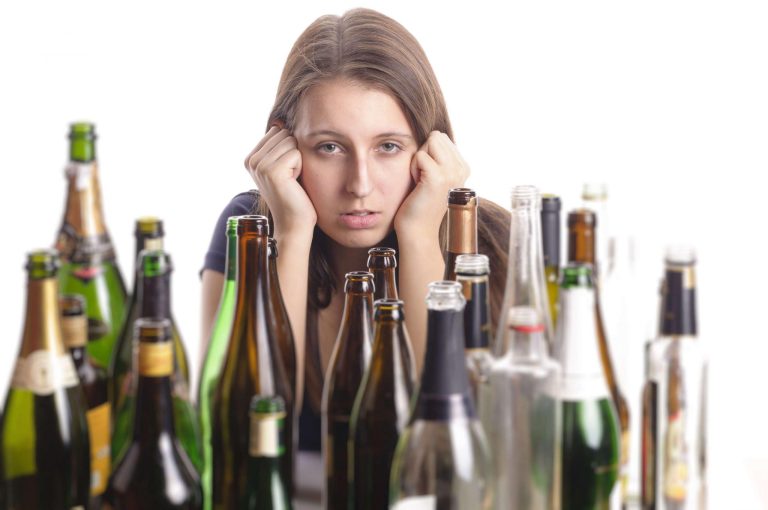
Mental Health Treatment
- Individuals with greater family wealth are considerably more likely to heavily consume alcohol and develop alcohol use disorders.
- It makes you aware of triggers and may motivate you to seek additional help from a counselor or support group.
- So it’s hard to predict who might actually benefit and who may be harmed more than helped by alcohol consumption.
Understanding the interconnectedness of mental health and alcoholism is crucial for implementing effective interventions and treatment strategies. Addressing underlying mental Sober living house health issues is fundamental in the recovery journey of individuals battling alcohol use disorder. Genetics play a crucial role in the development of alcoholism, with hereditary factors accounting for approximately 50% of the risk for alcohol use disorder. Research indicates that certain genetic variations can impact how individuals respond to alcohol, influencing their susceptibility to developing addiction. Firstly, unhealthy drinking habits can lower dopamine levels and decrease endorphins over time.
Social and Environmental Models
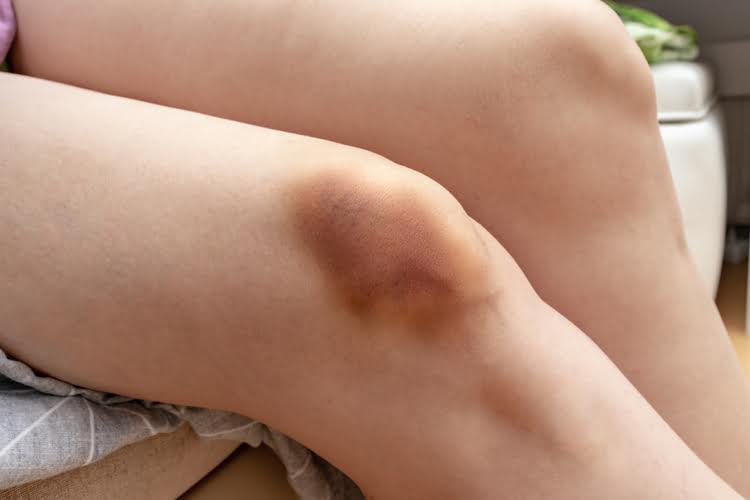
It is essential for anyone struggling with alcoholism to seek medical care to avoid serious health complications. When you engage in frequent alcohol consumption, your body develops a tolerance, and a dependence forms over time. Because of this tolerance, your body needs more alcohol to why do people become alcoholics feel the same effects.
Coping Mechanisms of Alcoholism
There are various treatment options and support systems available to assist individuals on their journey to recovery. Another gene variant, called ALDH2, affects the metabolism of alcohol by reducing the breakdown of a toxic byproduct called acetaldehyde. This can lead to unpleasant symptoms such as facial flushing, dizziness, and nausea.
Impact of Stress on Alcoholism
Another factor is stress, because alcohol can alleviate distressing emotions. Social norms, such as drinking during a happy hour or on a college campus, and positive experiences with alcohol in the past (as opposed to getting nauseous or flushed) play a role as well. Alcohol Use Disorder is a pattern of disordered drinking that leads to significant distress. It can involve withdrawal symptoms, disruption of daily tasks, discord in relationships, and risky decisions that place oneself or others in danger. About 15 million American adults and 400,000 adolescents suffer from alcohol use disorder, according to the National Institute on Alcohol Abuse and Alcoholism.
Genetic and Biological Factors
Above, we mentioned how science tells us that alcoholism is indeed a medical condition. However, a person who has not yet developed a biological dependence on alcohol may still choose to drink maladaptively despite being aware of warning signs or personal risk factors. Mental health conditions, such as depression or bipolar disorder, often co-occur with alcoholism.
Supporting Someone with a Drinking Problem
If you or someone you know is at greater risk of AUD, being familiar with the signs can help you proactively address the situation. At the very least, this awareness can serve as incentive to practice moderation when drinking. Taking advantage of treatment options, from intensive inpatient to outpatient programs, is a proven way to maintain recovery.